The spotlight doesn’t just magnify talent—it amplifies flaws, real or imagined. For A-list celebrities, the public eye often turns into a predatory lens, dissecting every pore, wrinkle, and body proportion. Behind the red carpets and glossy magazine covers, a quieter, uglier truth festers: Hollywood’s obsession with appearance has birthed a culture of relentless trolling, where even the most powerful stars are reduced to targets of appearance-based bullying.
This isn’t just internet noise. It’s psychological warfare waged in comment sections, viral memes, and anonymous forums. And the victims? Some of the most recognizable faces on the planet—actors, models, singers—who’ve spoken out about the lasting emotional toll of being mocked for how they look.
The Dark Side of Fame: When Beauty Becomes a Battlefield
Fame used to mean admiration. Now, it often means scrutiny. The rise of social media has dismantled the gatekeepers of celebrity image, handing the mic to millions of anonymous users who weaponize humor, hate, and faux concern to degrade public figures. And beauty—once a currency in Hollywood—is now a liability.
Actors like Lupita Nyong’o, Chris Hemsworth, and Renee Zellweger have all been victims of targeted trolling campaigns centered on their looks. Lupita, an Oscar winner celebrated for her talent and advocacy, has been called “too dark,” “unattractive,” and “not model material” in racist online tirades. Chris Hemsworth, the literal embodiment of a Marvel superhero, was mocked for “looking old” at 40. Renee Zellweger faced years of ridicule over changes in her face, with tabloids and trolls alike speculating wildly about plastic surgery.
“You don’t realize how much it gets under your skin until you wake up one day and you’re Googling your own name—not to check your work, but to see what new way they’re saying you’re ugly.” — Anonymous A-lister, in a 2023 candid interview
The damage isn’t just emotional—it’s professional. Casting decisions, endorsement deals, and public perception are all influenced by appearance. When trolling dominates the narrative, talent takes a backseat.
Why A-Listers Are Prime Targets for Appearance Trolling
It seems counterintuitive: why would people attack those who seemingly “have it all”? But the psychology is clear. Celebrities occupy a paradoxical space—they’re worshipped, yet dehumanized. Their images are consumed daily, making them feel accessible, even intimate. That false sense of closeness gives fans and trolls alike permission to critique, judge, and shame.
Three key factors make A-listers vulnerable:
- Hyper-Visibility – The more famous you are, the more content exists of you. Every red carpet, paparazzi snap, and Instagram post becomes fodder for critique.
- Unrealistic Standards – Hollywood promotes a narrow definition of beauty. When stars deviate—through aging, weight fluctuation, or simply existing without makeup—they’re punished.
- Anonymity + Amplification – Trolls hide behind avatars and pseudonyms, while algorithms reward outrage. A single inflammatory comment can go viral, drowning out years of achievement.
Consider the case of Leslie Jones. After joining the Ghostbusters reboot, she became a target of vicious racist and sexist trolling on Twitter. Users posted manipulated images, made ape comparisons, and flooded her mentions with abuse. The harassment was so severe, she temporarily left the platform. Her sin? Being a Black woman in a high-profile role.
Jones later testified before Congress about online harassment, stating: “They didn’t attack my acting. They attacked my body, my skin, my hair—things I can’t change, and shouldn’t have to.”
The Mental Health Toll: More Than Just “Haters Gonna Hate”
Dismissive phrases like “don’t feed the trolls” or “you knew what you signed up for” minimize a serious mental health crisis. Chronic exposure to online bullying can lead to anxiety, depression, body dysmorphia, and even suicidal ideation.
Selena Gomez, one of the most-followed people on Instagram, has been candid about how social media trolling affected her mental health. She took multiple breaks from the platform, citing anxiety and panic attacks triggered by appearance-based comments. In a Rolling Stone interview, she admitted: “I’d look in the mirror and only see what they were saying. Not the person I was.”
Therapists who work with celebrities report a rise in patients seeking help for cyberbullying-related trauma. The constant comparison, the fear of public humiliation, and the inability to escape the digital gaze create a unique form of stress.
Real-Life Impact: Career and Personal Lives
- Casting Bias: Actresses over 40 report fewer roles, often told they’re “not age-appropriate” even when playing characters their age.
- Relationship Strain: Public scrutiny can spill into personal relationships. Shailene Woodley revealed that trolling about her appearance made her question her self-worth in dating.
- Self-Medication: Some turn to alcohol, drugs, or extreme dieting to cope. Demi Lovato has spoken about how body shaming contributed to their eating disorder.
How the Industry Enables the Abuse
Hollywood doesn’t just tolerate appearance-based trolling—it often fuels it. Tabloids run headlines like “What Happened to Her Face?” or “Has He Let Himself Go?” Magazines publish “before and after” photo spreads that invite judgment. Studios push stars to maintain impossible physiques for roles.
Even awards shows aren’t immune. The “best dressed” and “worst dressed” lists, once lighthearted, now feel like public shaming rituals. Zendaya, praised for her fashion, once responded to a “worst dressed” label by saying: “You don’t get to define my beauty.”
Publicists and management teams often advise clients to “stay quiet” or “not engage.” But silence isn’t protection—it’s complicity. When the system profits from glamour yet punishes deviation from it, accountability is absent.
Studios’ Double Standard
- Promote body positivity in PR campaigns
- Cast actors in roles requiring extreme body transformations (e.g., The Whale, To Leslie)
- Reward stars for “glowing” despite aging, while mocking those who “fail” to do so
The message is clear: look perfect, but don’t admit to trying. Age gracefully, but not too much. Be natural, but always polished.
A-Listers Fighting Back: Taking Control of the Narrative
Some stars are refusing to stay silent. They’re using their platforms to expose the cruelty of online trolling and reclaim their narratives.
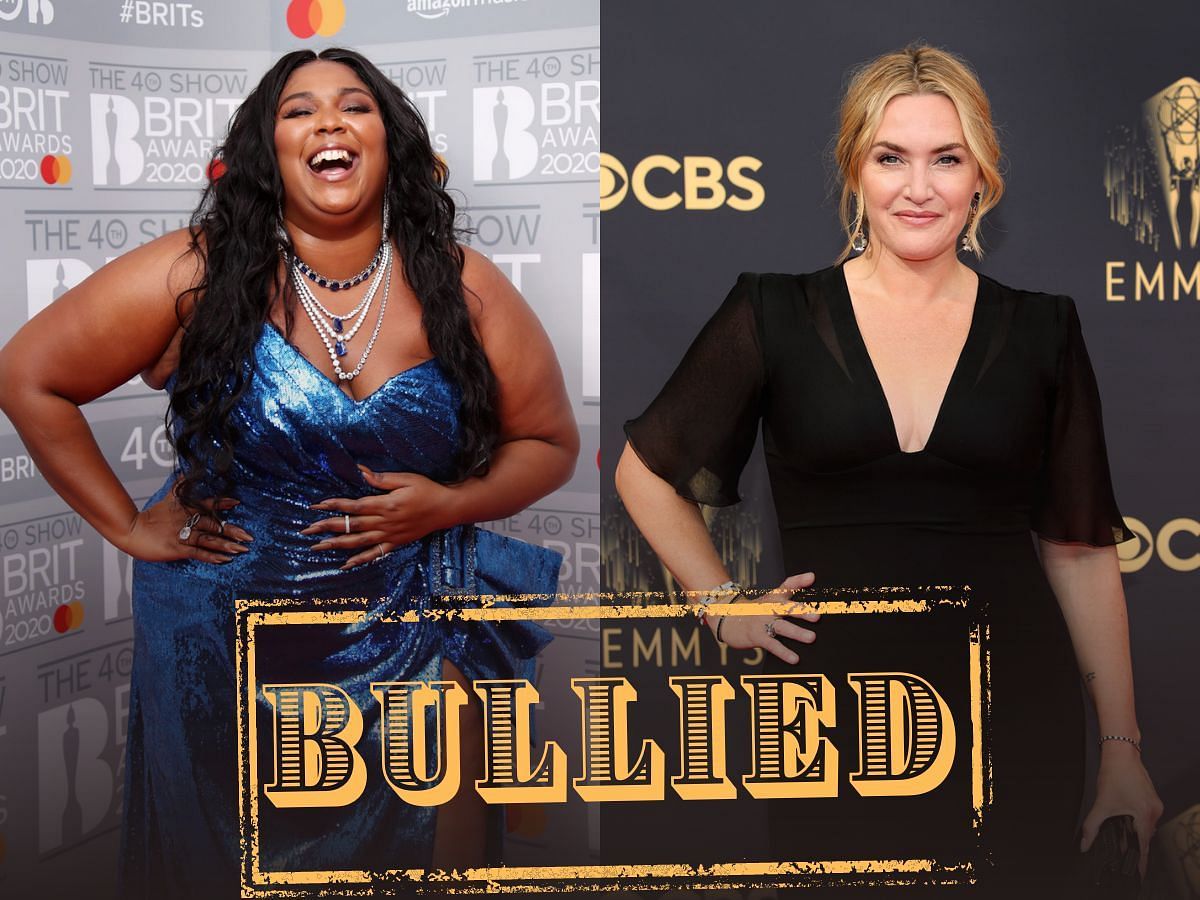
- Lizzo regularly calls out body shamers, posting unfiltered videos and defending her right to exist unapologetically in her body.
- Brandon Flynn (13 Reasons Why) launched a campaign against homophobic and appearance-based trolling after being targeted for his weight and sexuality.
- Jameela Jamil founded “I Weigh,” a movement challenging beauty standards and promoting self-worth beyond physical appearance.
These efforts aren’t just personal—they’re political. By speaking out, they’re shifting the conversation from individual shame to systemic critique.
“When you attack someone’s body, you’re not just attacking them. You’re reinforcing a system that tells millions they’re not good enough.” — Jameela Jamil, in a 2022 panel on digital wellness
Social media companies are also under pressure. While platforms like Instagram and X (formerly Twitter) have introduced reporting tools and AI filters, enforcement remains inconsistent. High-profile accounts are often prioritized, while marginalized voices—especially women of color—are left exposed.
The Public’s Role: From Bystander to Ally
We aren’t just spectators—we’re participants. Every “like,” share, or laugh at a mean meme contributes to the culture. The normalization of “roasting” celebrities as entertainment has desensitized us to cruelty.
But change is possible.
What You Can Do:
- Think before you share: Is that “funny” edit really harmless?
- Support stars who speak up: Amplify their messages of self-acceptance.
- Report abuse: Use platform tools to flag harmful content.
- Question beauty standards: Challenge the idea that thin, young, and Eurocentric is “ideal.”
- Normalize aging and diversity: Celebrate stars at every stage of life.
The goal isn’t to shield celebrities from criticism—it’s to separate critique from cruelty. You can dislike a performance without attacking someone’s nose. You can debate fashion choices without calling someone “ugly.”
Closing: Redefining Beauty in the Age of Trolling
The horror of Hollywood trolling isn’t just the abuse—it’s the normalization of it. We’ve come to expect celebrities to be mocked, to apologize for aging, to defend their bodies like defendants in a court of public opinion.
But the stories of Lupita, Lizzo, Leslie, and so many others reveal a different truth: beauty is not a flaw to be policed. It’s a spectrum. And no one—famous or not—should be bullied for existing in their skin.
The fight isn’t just for A-listers. It’s for everyone who’s ever felt “not enough” because of how they look. By holding Hollywood and ourselves accountable, we can turn the spotlight into something warmer: not judgment, but justice.
Stop scrolling. Start standing up.
Frequently Asked Questions
Why do celebrities get trolled more about their looks? Their images are constantly visible, and they’re held to unrealistic beauty standards. Any deviation becomes fodder for public critique.
Can online trolling lead to mental health issues? Yes—chronic exposure to bullying can cause anxiety, depression, body dysmorphia, and in severe cases, suicidal thoughts.
Have any celebrities successfully fought back against trolling? Yes. Lizzo, Jameela Jamil, and Leslie Jones have all confronted trolls and used their platforms to promote body positivity and digital safety.
Is Hollywood doing enough to protect stars from bullying? No. While some studios support diversity publicly, many still uphold narrow beauty standards and stay silent on online abuse.
How can fans help stop celebrity trolling? By refusing to engage with mean content, reporting abuse, and supporting stars who speak out about body image and mental health.
Does appearance-based trolling affect men too? Absolutely. Male celebrities like Chris Hemsworth, Jonah Hill, and Anthony Anderson have faced mockery over aging, weight, or facial features.
Are social media platforms responsible for celebrity trolling? They play a major role. While they’ve introduced safety tools, enforcement is inconsistent, and algorithms often reward outrage over empathy.
FAQ
What should you look for in Hollywood Trolling Horror: A-Listers Reveal Relentless Beauty Bullying? Focus on relevance, practical value, and how well the solution matches real user intent.
Is Hollywood Trolling Horror: A-Listers Reveal Relentless Beauty Bullying suitable for beginners? That depends on the workflow, but a clear step-by-step approach usually makes it easier to start.
How do you compare options around Hollywood Trolling Horror: A-Listers Reveal Relentless Beauty Bullying? Compare features, trust signals, limitations, pricing, and ease of implementation.
What mistakes should you avoid? Avoid generic choices, weak validation, and decisions based only on marketing claims.
What is the next best step? Shortlist the most relevant options, validate them quickly, and refine from real-world results.