On most job sites, safety meetings feel like a box to check—not a moment to change behavior. That’s where free toolbox talk safety meeting topics come in: short, focused, real-world discussions that cut through the noise. These aren’t lengthy lectures or canned scripts. They’re targeted conversations around daily hazards, near misses, and practical actions workers can take today. When done right, they reduce incidents, boost team awareness, and strengthen safety culture—all without requiring a training budget.
But finding relevant, easy-to-use topics? That’s the struggle. Many templates are too generic or overcomplicated. The best ones speak directly to what crews see and do every day.
Let’s fix that with actionable, no-cost toolbox talk topics that actually move the needle.
What Makes a Good Toolbox Talk Topic?
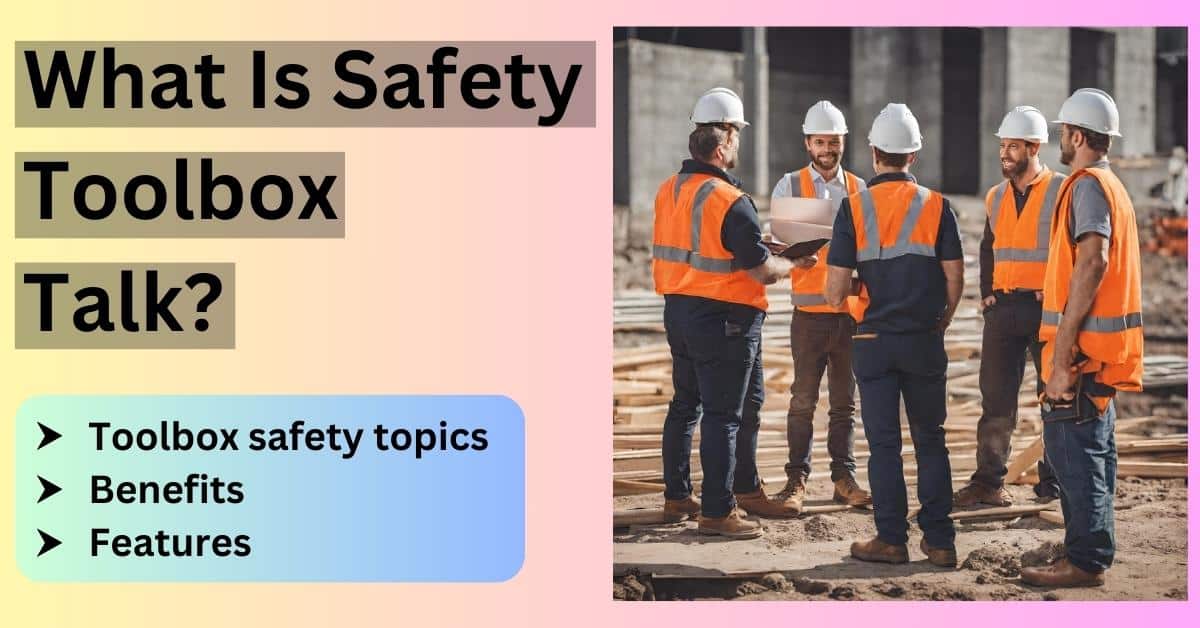
A strong toolbox talk isn’t about compliance theater. It’s a 5- to 15-minute discussion focused on a single hazard or safety practice, led by a supervisor or crew member. The goal? Make safety personal, practical, and immediate.
The most effective topics follow three rules:
- Relevance: Tied to current work, site conditions, or recent incidents
- Simplicity: Easy to understand—no jargon, no fluff
- Actionability: Ends with clear takeaways: “Do this,” “Watch for that”
For example, instead of “Falls Prevention,” try: “Three ways to spot an unsafe ladder setup before climbing.” That’s specific, visual, and useful.
10 Free and Practical Toolbox Talk Topics You Can Use Today
These topics are proven across construction, manufacturing, and maintenance environments. Each can be delivered in under 10 minutes and adapted to your site.
1. Ladder Safety: The 3-Point Contact Rule Discuss why losing one hand on a ladder is often the start of a fall. Demonstrate proper setup: 1-foot out for every 4-feet up, secure top and bottom, no overreaching. Use case: After spotting a worker leaning too far from a ladder during framing.
2. Proper Use of PPE for the Task at Hand Not all jobs need full gear. Talk through when hard hats, gloves, safety glasses, or hearing protection are required—and when workers over- or underuse them. Mistake to highlight: Wearing cut-resistant gloves when handling chemicals that degrade the material.
3. Housekeeping: How Clutter Kills Slips, trips, and fire hazards often start with poor housekeeping. Show photos of clean vs. cluttered work areas. Assign 5-minute clean-up before shift end. Tip: Make it a team habit—“If you see it, own it or report it.”
4. Spotting and Reporting Near Misses
Most serious incidents have warning signs. Encourage workers to speak up about events that “almost” went wrong—like a falling tool or a sudden equipment shutoff. Barrier to address: Fear of blame. Reinforce that reporting helps prevent future injuries.
5. Electrical Safety Around Extension Cords Review damaged insulation, overloaded strips, and cords running through doors or water. Demonstrate GFCI testing. Realistic hazard: Using indoor-rated cords outdoors during wet weather.
6. Working in Confined Spaces: What Counts? Not all tight areas are labeled “confined,” but risks remain. Define what makes a space high-risk: limited entry/exit, poor ventilation, potential for gas buildup. Example: A utility vault or large HVAC duct.
7. Back Safety and Manual Lifting Techniques Focus on setup: feet shoulder-width, back straight, lift with legs. Emphasize team lifts for loads over 50 lbs. Common mistake: Twisting while carrying—leads to 60% of back injuries.
8. Fire Extinguisher Readiness: PASS in 4 Steps Review how to use an extinguisher: Pull, Aim, Squeeze, Sweep. Check pressure gauges and accessibility. Critical detail: Not every fire should be fought—know when to evacuate.
9. Weather-Related Hazards: Heat, Cold, and Wind Talk about early signs of heat stress (dizziness, cramps) or cold exposure (numbness, fatigue). Adjust breaks and hydration accordingly. Workflow tip: Assign a weather monitor during extreme conditions.
10. Communication on Noisy Sites In loud environments, verbal warnings get lost. Review hand signals, radios, and lockout tagout (LOTO) communication procedures. Gap often missed: Confirming that a message was received—not just sent.
How to Deliver a Toolbox Talk That Actually Works
A great topic fails if the delivery is flat. Follow this framework:
- Start with a real event – “Yesterday, a forklift almost hit a worker near Bay 3. Let’s talk visibility.”
- Engage the crew – Ask: “Have you seen something similar?” or “What would you do differently?”
- Demonstrate if possible – Show the right vs. wrong way to wear a harness.
- Assign one action – “From today, every ladder gets a quick check before use.”
- Document briefly – Sign-in sheet with topic, date, attendees. Keep it simple.
Avoid reading from paper. Speak naturally. Let workers lead part of the talk—safety ownership grows when they contribute.
Where to Find Reliable Free Toolbox Talk Resources
You don’t need to write every talk from scratch. Several reputable sources offer free, printable topics:
| Resource | Strengths | Limitations |
|---|---|---|
| OSHA.gov | Official, compliant, no cost | Can be text-heavy, less visual |
| NASP (National Association of Safety Professionals) | Well-structured PDFs | Some content gated behind signup |
| HSE UK (hse.gov.uk) | Clear, practical examples | UK regulations—adapt for U.S. sites |
| SafetyInfo.com | Large library, real-world focus | Mixed formatting quality |
| Creative Safety Supply Blog | Visuals, infographics | Includes product promotions |
Pro tip: Download a few templates, then customize them with your site’s photos, recent incidents, or equipment types. A talk about “forklift blind spots” hits harder when it shows your yard.
Common Mistakes That Undermine Toolbox Talks
Even with good topics, execution fails when teams fall into these traps:
- Same person every time: Rotating facilitators keeps engagement high.
- Too long: More than 15 minutes loses attention. Stick to the point.
- No follow-up: Did the team actually change behavior? Check in next week.
- Only reactive: Don’t just talk after an incident—use talks to prevent them.
- Poor timing: Right after shift start or before hazardous tasks is best.
Also, avoid turning talks into lectures. Safety isn’t about authority—it’s about shared responsibility.
Integrating Toolbox Talks into Daily Workflow
The best programs don’t “add” toolbox talks—they weave them in.
- Morning huddle starter: Begin each shift with a 5-minute safety point.
- Task-specific briefs: Before working at height, discuss fall protection—even if it’s brief.
- Post-incident reset: After a near miss, gather the crew within 24 hours.
- New worker onboarding: Use talks to reinforce site rules in context.
Track participation with a simple log. Not for punishment—use it to spot gaps in coverage or recurring issues.
Why Free Doesn’t Mean Low Quality
Some assume “free” toolbox talk topics are outdated or incomplete. But high-value, no-cost resources exist—especially from government and nonprofit safety bodies.
The key is curation. Pull from trusted sources, then tailor. A free OSHA topic on eye protection becomes more effective when you add:
- A photo from your own site of damaged safety glasses
- A story from a worker who had debris in their eye
- A live demo of proper goggle fit
That transformation turns generic content into site-specific learning.
Closing: Start Small, Stay Consistent
You don’t need a perfect library of 100 talks. Start with five core topics that match your site’s biggest risks. Deliver them weekly. Engage your crew. Refine based on what works.
Safety isn’t about volume—it’s about visibility. A two-minute talk that prevents one fall is worth more than a dozen unread manuals.
Use these free toolbox talk safety meeting topics as your foundation. Adapt them. Own them. Make them part of the job.
FAQ
Are toolbox talk topics really free? Yes—many government agencies, safety organizations, and suppliers offer free, downloadable topics with no strings attached.
How often should toolbox talks be held? Weekly is ideal, but frequency depends on risk. High-hazard sites may do them daily before critical tasks.
Who should lead a toolbox talk? Supervisors typically lead, but rotating crew members builds engagement and shared ownership.
Do toolbox talks need to be documented? Yes—keep a simple log with date, topic, attendees, and facilitator. Useful for audits and tracking.
Can toolbox talks replace formal safety training? No—they supplement training. They’re for reinforcement, not initial instruction on complex procedures.
What if workers don’t take them seriously? Make them relevant. Use real site examples, encourage discussion, and link talks to actual work being done.
How long should a toolbox talk last? 5 to 15 minutes. Focus on one topic. If it goes longer, attention drops.
FAQ
What should you look for in Free Toolbox Talk Safety Meeting Topics for Any Worksite? Focus on relevance, practical value, and how well the solution matches real user intent.
Is Free Toolbox Talk Safety Meeting Topics for Any Worksite suitable for beginners? That depends on the workflow, but a clear step-by-step approach usually makes it easier to start.
How do you compare options around Free Toolbox Talk Safety Meeting Topics for Any Worksite? Compare features, trust signals, limitations, pricing, and ease of implementation.
What mistakes should you avoid? Avoid generic choices, weak validation, and decisions based only on marketing claims.
What is the next best step? Shortlist the most relevant options, validate them quickly, and refine from real-world results.