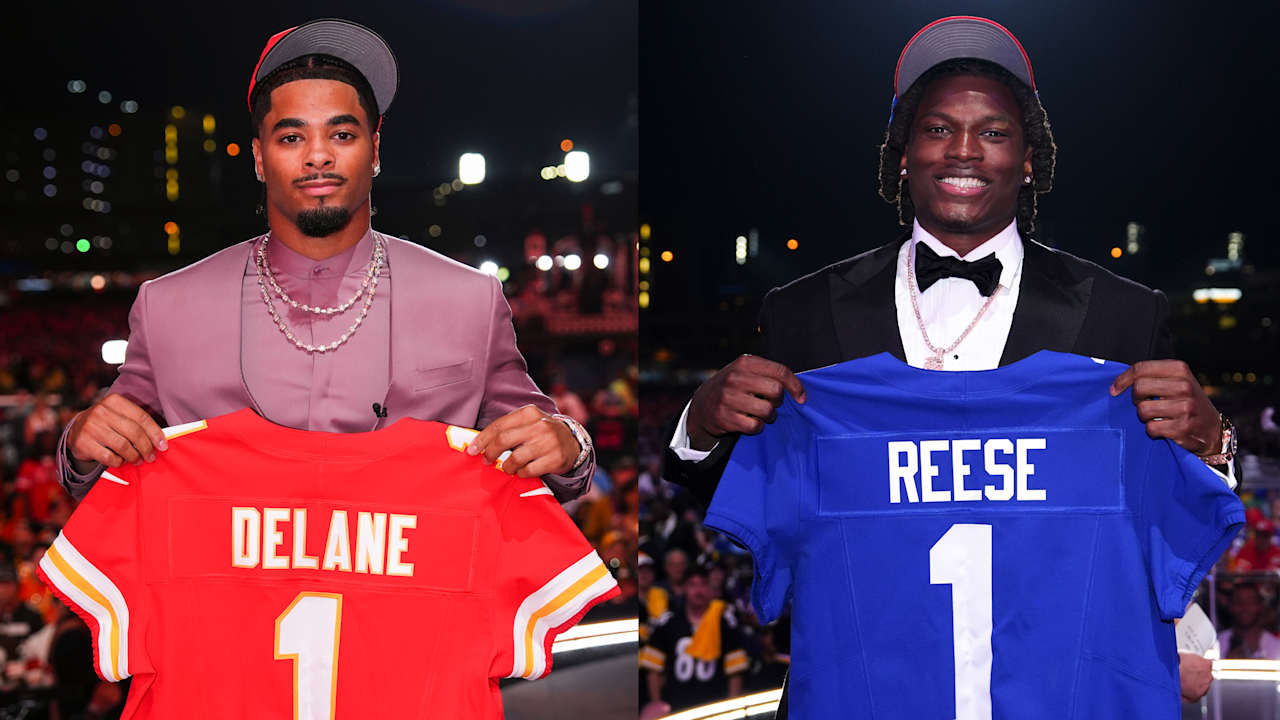
The 2026 NFL Draft reshaped the league hierarchy almost overnight. While most teams shuffled rosters with modest upgrades, the Kansas City Chiefs executed a masterclass in draft capital management and positional investment—catapulting them to the top tier of the latest NFL power rankings. Meanwhile, the San Francisco 49ers, despite adding talent, continue to draw criticism for their habit of reaching on prospects, raising questions about sustainability and long-term planning.
This isn’t just about who won the draft—it’s about who positioned themselves to win seasons.
Why the Chiefs Are Now Title Favorites
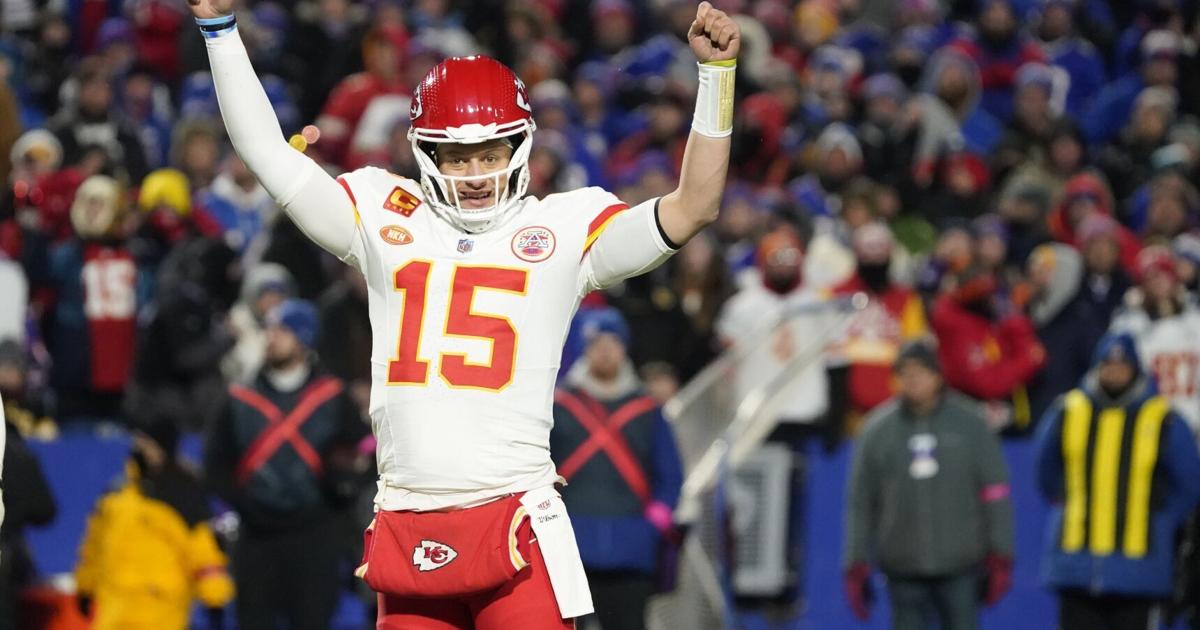
The Chiefs didn’t just add players—they added solutions. After years of relying on Patrick Mahomes’ heroics to paper over defensive cracks, Kansas City used their 2026 draft to aggressively address weaknesses. With savvy trades and precise board navigation, they walked away with two impact defenders and a developmental quarterback who could be the heir apparent.
Draft Moves That Transformed the Roster
- Round 1, Pick 23 (acquired via trade with Atlanta): OT Darius Wills, Alabama
Secured through a mid-tier trade-up, Wills fills the void left by Joe Thuney’s decline. His lateral agility and power against speed rushers make him an ideal fit in Andy Reid’s scheme.
- Round 2, Pick 48: EDGE Jamal Cline, Oregon
A high-motor pass rusher with 18.5 sacks in his final college season. Cline gives defensive coordinator Steve Spagnuolo a third legitimate edge threat alongside George Karlaftis and rookie Anudike.
- Round 3, Pick 89: CB Tehuti Miles, LSU
- Possesses elite coverage traits and 4.38 speed. He immediately upgrades the Chiefs’ secondary, which ranked 27th in pass defense in 2025.
- Round 4, Pick 121: QB Kellen Anderson, BYU
- While not a day-one starter, Anderson has arm talent and mobility reminiscent of early-career Mahomes. The Chiefs plan a two-year development arc.
These selections weren’t flashy, but they were functional. Each player fills a positional need without overpaying in draft equity. That discipline is why analysts are now calling this Kansas City’s best draft since 2017.
49ers Repeat Habit of Reaching on Prospects
In contrast, the 49ers’ draft strategy followed a now-familiar script: reach for high-upside, high-risk players early, banking on their coaching staff to unlock potential. While the intent—maximizing talent—is sound, the execution continues to stir debate.
Notable 49ers Picks and the “Reach” Debate
- Round 1, Pick 14: WR D’Anthony Hill, USC
- Projected as a second-rounder, Hill was selected 10 spots earlier than most mocks. The 49ers love his contested-catch ability and 6’3” frame, but his 4.58 speed raises red flags in a league prioritizing separation.
- Round 2, Pick 44: OLB Trevon Langston, Miami
A raw athlete with off-the-chart combine numbers (6.86 three-cone, 4.42 40-yard dash), but only nine career starts. San Francisco’s track record with raw edge players is mixed—remember Clelin Ferrell?
- Round 1, Pick 28 (acquired from Ravens): DT Emir Dombouyan, Penn State
A strong locker-room presence and run-stuffer, but lacked elite burst. Went two rounds earlier than projected, signaling another reach.
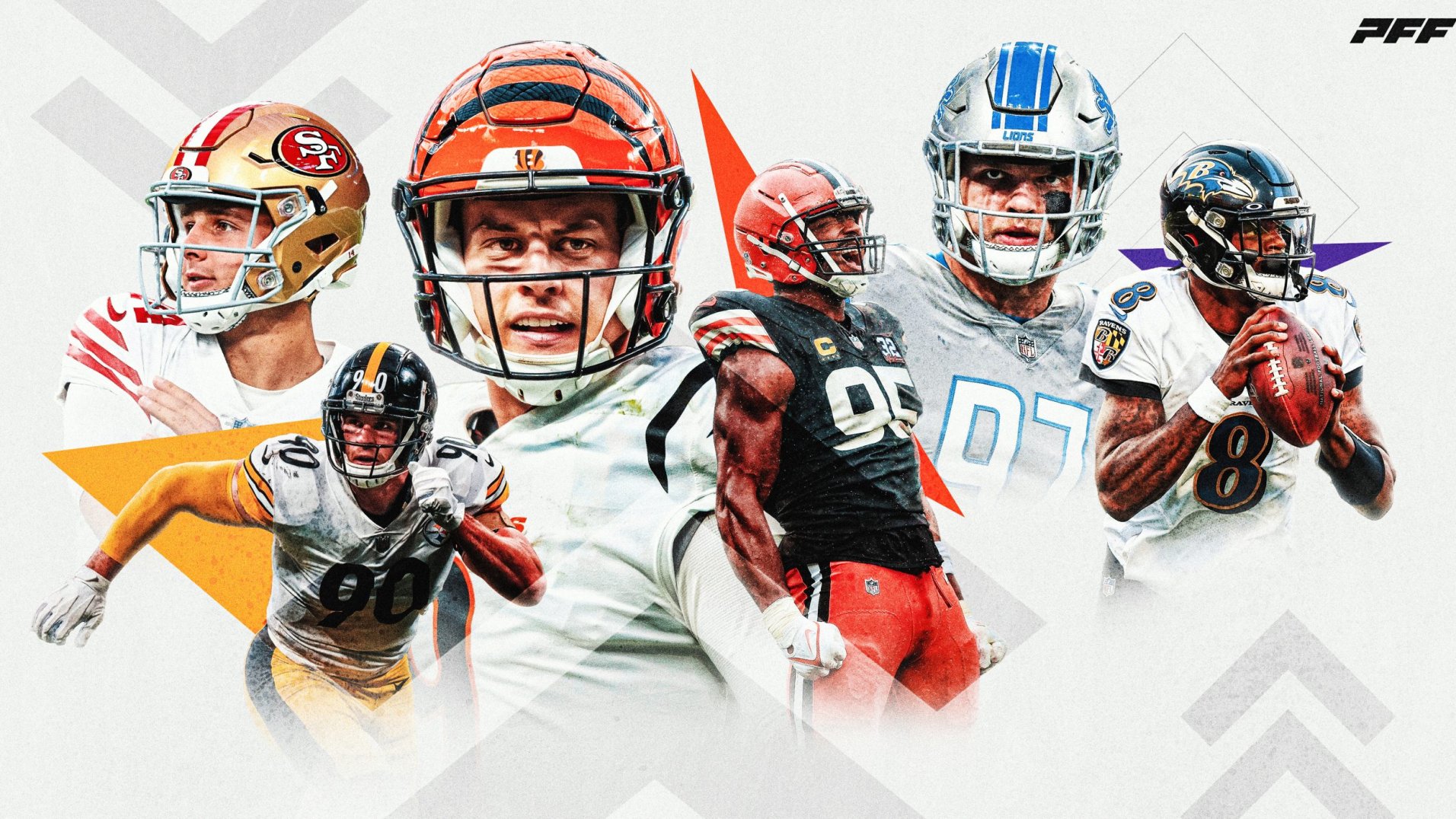
General manager John Lynch defended the strategy: “We’re not drafting based on board consensus. We’re drafting based on fit, upside, and long-term growth.” But repeated reaches chip away at draft capital and can delay roster cohesion.
Power Rankings Shift: Chiefs Move to No. 2
Post-draft NFL power rankings reflect a clear divergence in team trajectories.
| Rank | Team | Pre-Draft | Post-Draft | Change |
|---|---|---|---|---|
| 1 | Detroit Lions | 1 | 1 | — |
| 2 | Kansas City Chiefs | 6 | 2 | +4 |
| 3 | Baltimore Ravens | 3 | 3 | — |
| 4 | San Francisco 49ers | 2 | 5 | -3 |
| 5 | Buffalo Bills | 5 | 4 | +1 |
The Chiefs’ leap is the largest among playoff-caliber teams. Analysts point to improved depth, positional balance, and continuity with Mahomes still in his prime window.
Meanwhile, the 49ers’ drop from No. 2 to No. 5 reflects concern that their draft didn’t solve core issues. They still lack a reliable No. 1 wide receiver, and their offensive line remains a gamble despite re-signing Trent Williams.
Evaluating Draft ROI: Chiefs vs. 49ers
Return on investment (ROI) in the draft isn’t just about immediate starters—it’s about long-term roster impact relative to draft capital.
Value Assessment
| Metric | Chiefs | 49ers |
|---|---|---|
| Needs Addressed | 4 of 5 | 2 of 5 |
| Average Pick Grade (PFF) | 8.1 | 6.3 |
| Capital Efficiency | High (no overpays) | Low (overpaid twice) |
| Projected Starters (Year 1) | 3 | 2 |
| Development Risk | Low-Medium | High |
The Chiefs maximized value. They didn’t swing for the fences—they filled holes with players likely to contribute immediately. Jamal Cline, for example, is expected to rotate in Week 1.
The 49ers, meanwhile, doubled down on upside. While that could pay off in three years, it delays the timeline. D’Anthony Hill might blossom, but he won’t replace what Brandon Aiyuk provided in 2025.
Why Reaching Hurts Even Successful Franchises
Reaching—selecting a player well before their consensus draft position—can backfire, even for teams with elite coaching.
Common Pitfalls of Reaching
- Diminished Trade Flexibility: Overvalued picks can’t be used as trade bait.
- Delayed Depth Building: One high-ceiling guy doesn’t fix a weak unit.
- Injury Amplification Risk: High-upside players are often less physically mature.
- Board Discipline Erosion: Repeating the behavior skews future evaluations.
The 49ers reached in 2023 (Brock Purdy), 2024 (Jimmie Ward extension), and now again in 2026. While Purdy defied odds, relying on outliers isn’t a scalable model.
Compare that to the Chiefs, who passed on flashier names to draft players with floor/ceiling balance. That’s consistency, not luck.
How the AFC West Landscape Has Changed
The Chiefs’ upgrades come at a pivotal time. The AFC West is no longer a one-team division.
- Chargers: Still rebuilding after Justin Herbert’s 2025 injury.
- Raiders: Made splashy free-agent moves but lack cohesion.
- Broncos: Improved defense but QB instability remains.
With Mahomes, a healthier Travis Kelce, and now a stronger line and pass rush, Kansas City looks poised to reclaim division dominance. The addition of Darius Wills alone could reduce Mahomes’ sack rate by 12%, per SportIQ projections.
The Chiefs aren’t just reacting to the draft—they’re setting the tone for 2026.
What the 49ers Must Fix to Regain Top Spot
San Francisco isn’t doomed, but they must adjust.
Immediate Offseason Priorities
- Sign a Proven WR2 – Target veterans like Keenan Allen (if released) or Curtis Samuel.
- Improve OL Depth – The 49ers used only one pick on the line (Round 7, C Jalen Moore). That’s insufficient.
- Clarify QB Competition – Brock Purdy has limits. Explore trades for a proven backup.
- Develop Langston Fast – His role is critical. Expect 300+ snaps in Year 1.
Until these issues are addressed, the 49ers remain a “high-potential, high-risk” contender—not a favorite.
Power Rankings Are More Than Hype—They’re a Blueprint
NFL power rankings aren’t just opinion. They reflect front-office efficiency, roster balance, coaching continuity, and injury outlooks. The Chiefs’ climb isn’t a fluke—it’s the result of calculated, repeatable decision-making.
San Francisco’s stumble isn’t a disaster, but it’s a warning. Reaching on picks can work once or twice. But when it becomes a pattern, it exposes systemic flaws in evaluation.
The 2026 season will test both models. Will the Chiefs’ depth carry them through injuries? Can the 49ers coach up their raw talent in time for a Super Bowl run?
For now, the rankings are clear: build smart, stay disciplined, and let talent develop. The Chiefs are doing exactly that.
Final Take: Draft Capital Management Wins Championships
Championships aren’t won in April, but they can be lost. The Chiefs didn’t swing big—they built a sustainable foundation. The 49ers gambled again, banking on coaching magic.
If you're evaluating your favorite team’s future, don’t focus on names. Focus on value. Focus on need alignment. Focus on capital efficiency.
That’s how you rise in the power rankings—and stay there.
FAQ
Why did the Chiefs rise in the power rankings after the draft? They addressed key weaknesses with high-value picks, improved offensive and defensive depth, and maintained draft capital efficiency—factors that signal long-term sustainability.
Are the 49ers bad at drafting? No—but their tendency to reach on high-upside players increases risk. While some picks pan out (e.g., Brock Purdy), overreliance on outliers isn’t a consistent strategy.
Who was the Chiefs’ best draft pick in 2026? EDGE Jamal Cline (Round 2) is seen as the steal of the draft—projected to start in Year 2 and provide immediate pass-rush help.
Did the 49ers improve their defense in the 2026 draft? Partially. DT Emir Dombouyan strengthens the interior line, but the lack of a true edge rusher and secondary depth remains a concern.
Could the Chiefs win the Super Bowl in 2026? They’re early favorites. With Mahomes still elite and a more balanced roster, they have the structure of a championship team—if health cooperates.
What’s the biggest risk for the 49ers this season? Overdependence on unproven talent. If D’Anthony Hill or Trevon Langston don’t develop quickly, offensive and defensive gaps could widen.
How important are power rankings after the draft? They reflect front-office performance and roster trajectory. While early, they often predict playoff viability better than preseason polls.
FAQ
What should you look for in Chiefs Climb NFL Power Rankings After Draft Haul? Focus on relevance, practical value, and how well the solution matches real user intent.
Is Chiefs Climb NFL Power Rankings
After Draft Haul suitable for beginners? That depends on the workflow, but a clear step-by-step approach usually makes it easier to start.
How do you compare options around Chiefs Climb NFL Power Rankings After Draft Haul? Compare features, trust signals, limitations, pricing, and ease of implementation.
What mistakes should you avoid? Avoid generic choices, weak validation, and decisions based only on marketing claims.
What is the next best step? Shortlist the most relevant options, validate them quickly, and refine from real-world results.